
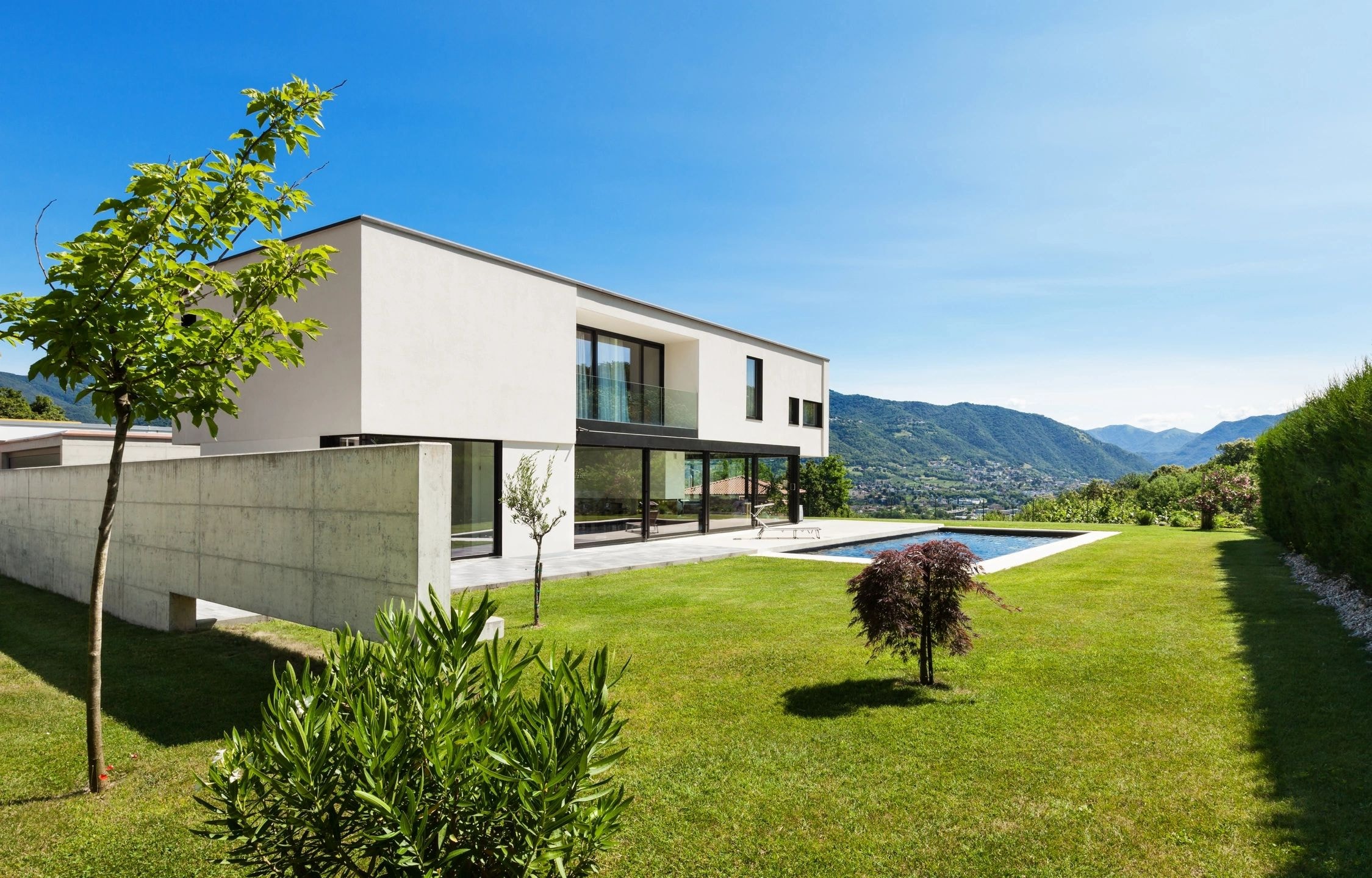
Property listings in Portugal should be treated as marketing material, not verified technical reports. If you are planning to buy property in Portugal, it is important to understand that listings are not standardised — they are created within a system where most professionals are involved in facilitating a sale, not verifying or challenging the information presented.
For international buyers, the risk is not only misunderstanding the language used — it is assuming that a listing is complete, verified, or neutral. This guide explains how listings work in practice, what they usually include, what they often omit, and how to read them with the right level of caution before time, emotion, or momentum take over.
How the Market Works
Property listings in Portugal can look clear at first glance. In reality, they require interpretation. Most listings are created within a listing-led market, where the objective is to generate interest and move a transaction forward, not to provide the buyer with full technical verification.
Listings should therefore be treated as a starting point, not a complete source of truth.
What Listings Include
Apartments (“Apartamento” / “Condomínio”)
Apartments are individual units within a shared building or development. They may include communal swimming pools, gardens or outdoor areas, gym facilities, and security or concierge services. Apartments are typically chosen for low-maintenance living, central or coastal locations, and managed environments.
Key consideration: Monthly condominium fees can vary significantly and should always be confirmed early.
Townhouses (“Moradia Geminada” or “Moradia em Banda”)
Townhouses share one or more walls with neighbouring properties. They offer more internal space than apartments, lower maintenance than detached houses, and a balance between privacy and community living. These are common in residential developments and suburban areas.
Detached Houses (“Moradia” / “Vivenda”)
Detached houses are standalone properties, usually with private land. They vary widely in plot size, construction quality, age and architecture. This category includes both traditional Portuguese homes and modern villas.
Important: The term “villa” is widely used in listings but has no legal definition.
Rural Properties (“Quinta”)
A “quinta” typically refers to a rural property with land, often located outside urban areas and associated with agriculture or lifestyle use. Many require renovation or legal clarification.
Critical point: Not all rural properties are licensed for residential use. Verification of licensing and registration is essential.
Land (“Terreno”)
Land may be described as urban, rustic, or mixed. Urban classification may indicate some form of construction potential, but it does not guarantee that the buyer can build what they want. Rustic land is generally more restricted. Mixed land may include both urban and rustic components. Buildability depends on planning rules, access, infrastructure, existing registered structures, and the applicable municipal plan.
Important for buyers: Owning land does not automatically grant the right to build. Development potential depends on local planning regulations (PDM), infrastructure access, and existing registered structures.
Property Typology in Portugal (T0, T1, T2, T3)
Property listings in Portugal use a “T” classification system: T0 — Studio; T1 — 1 bedroom; T2 — 2 bedrooms; T3 — 3 bedrooms. For houses, you may also see V1, V2, V3 (Vivenda).
What does “T3+1” mean? A “+1” refers to an additional room that is not legally classified as a bedroom — often due to size restrictions, lack of natural light, or regulatory compliance. It may function as a bedroom, but it will not appear as such in official records.
Bathrooms in Portuguese Property Listings
Bathroom definitions are not standardised in listings. A full bathroom includes a toilet, sink, and bath or shower. A guest WC includes only a toilet and sink.
Important: Guest toilets are often counted as full bathrooms in listings. A property described as having “4 bathrooms” may include one or more guest WCs.
Property Areas — Critical
- Gross Private Area (Área Bruta Privativa): the private area assigned to the unit in official records. It may not match the way a buyer experiences usable living space.
- Dependent Area (Área Dependente): areas such as garages, storage rooms, or other non-living spaces associated with the property.
- Gross Construction Area (Área Bruta de Construção): broader built area, which may include areas that are not internal living space.
- Land Area (Área do Terreno): the total plot area recorded for the property.
Advertised areas should always be checked against official documentation. The size shown in a listing may not match the areas recorded in the property documents.
What Listings Omit
The biggest risk in a Portuguese listing is often not what it says, but what it leaves unverified.
| What the listing shows | What it may not reflect |
|---|---|
| Property size (m²) | Whether this matches official registry records |
| Number of bedrooms | Whether all rooms are legally compliant |
| Condition | Structural or technical issues |
| "Renovated" | Whether works were licensed and registered |
| Land description | Whether land is buildable or restricted |
| Photos and presentation | Orientation, surroundings, or neighbouring structures |
| "Opportunity" pricing | Whether valuation supports the price |
Price and Valuation
Listed prices in Portugal are typically set by the seller, often with the instruction to market at a particular price point. This does not guarantee the price reflects market value, structural condition, or legal status.
Price per square metre varies widely by region, property type, and listing quality. Comparison against comparable transactions — not comparable listings — is necessary for accurate valuation assessment.
Property Descriptions
Portuguese listing descriptions frequently use terms that require interpretation: ‘renovated’ may mean cosmetic works rather than licensed structural changes; ‘approved project’ may refer to a preliminary approval rather than a full building licence; ‘sea view’ may be seasonal or obscured; ‘quiet location’ is subjective and may change as surrounding development evolves.
Legal Status
Listings do not typically disclose the legal status of a property in a verifiable form. Key issues that may not appear in listing descriptions include: unlicensed extensions or structures, registration inconsistencies between the land registry and the physical property, outstanding planning enforcement, undisclosed usufruct rights, and existing charges or mortgage debt attached to the title.
None of these are visible during a viewing. Each requires legal due diligence through official documentation.
How to Read a Listing
Treat each listing as a prompt to ask questions, not a source of answers. Before any viewing, establish: what type of ownership structure applies, what the official registered area is, whether all structures are licensed, what the land classification is, and whether there are any disclosed or inferable planning restrictions.
After a viewing, the next step should not automatically be an offer. In many cases, it should be early due diligence to verify what the listing and viewing cannot confirm.
Working with Agents
Portugal's agency market is largely listing-led. Agents are usually engaged to bring properties to market and help complete a sale.
That affects how listings are framed, which opportunities are prioritised, and how negotiations evolve.
This is not a question of personality. It is a question of structure and incentive.
Before focusing on individual listings, it is worth establishing
- What type of property is appropriate for your objectives
- What constraints apply — legal, planning, financial
- What level of risk you are willing to accept
A listing can tell you what is being marketed. It rarely tells you what needs to be verified.
Where Buyers Make Mistakes
Most mistakes when buying property in Portugal happen before formal due diligence even begins. Understanding these patterns in advance helps avoid them.
1. Taking listings at face value
Property listings in Portugal often present only part of the picture. Important details relating to legal status, licensing, surrounding development, renovation history, accessibility, or structural condition may not be immediately visible, and information is not always independently verified before marketing.
2. Selecting property before defining constraints
Many buyers begin by searching for properties before properly defining their budget structure, financing position, long-term objectives, or acceptable trade-offs. As a result, decisions are often driven by emotion or urgency rather than clarity. Establishing constraints early helps avoid pursuing properties that are financially unsuitable, legally problematic, or misaligned with how the buyer actually intends to live.
3. Underestimating legal and planning complexity
Legal and planning issues in Portugal can be significantly more complex than international buyers expect, particularly with rural properties, older homes, or land. Questions around licensing, registered boundaries, construction legality, agricultural restrictions, or renovation permissions are not always straightforward and may only emerge during due diligence. Assumptions made too early in the process can become costly later.
4. Engaging financing too late
Many buyers only begin serious mortgage discussions after signing a Promissory Contract (CPCV), creating unnecessary time pressure during a legally binding stage of the transaction. Financing conditions, lender requirements, valuations, and timelines can vary considerably in Portugal, particularly for non-residents. Addressing financing early creates more negotiating flexibility and reduces the risk of delays or complications later in the process. See our mortgage guide →
How to Approach Listings Strategically
A more effective approach is to treat listings as inputs into a structured process, not decisions in themselves. This typically involves:
- Defining property criteria before searching
- Understanding legal and planning constraints early
- Aligning financing capacity with target properties
- Verifying information independently before commitment
Doing so shifts the process from reactive to controlled — ensuring that each listing is evaluated against a clear framework rather than assessed in isolation.
Receive this guide as a PDF
Leave your name and email below and we'll send you a copy straight to your inbox. You'll also receive occasional market insights from The Buyer's Agent Portugal — independent thinking on pricing, process, and the decisions that matter to buyers in Portugal. No noise. Unsubscribe any time.